Table Of Content
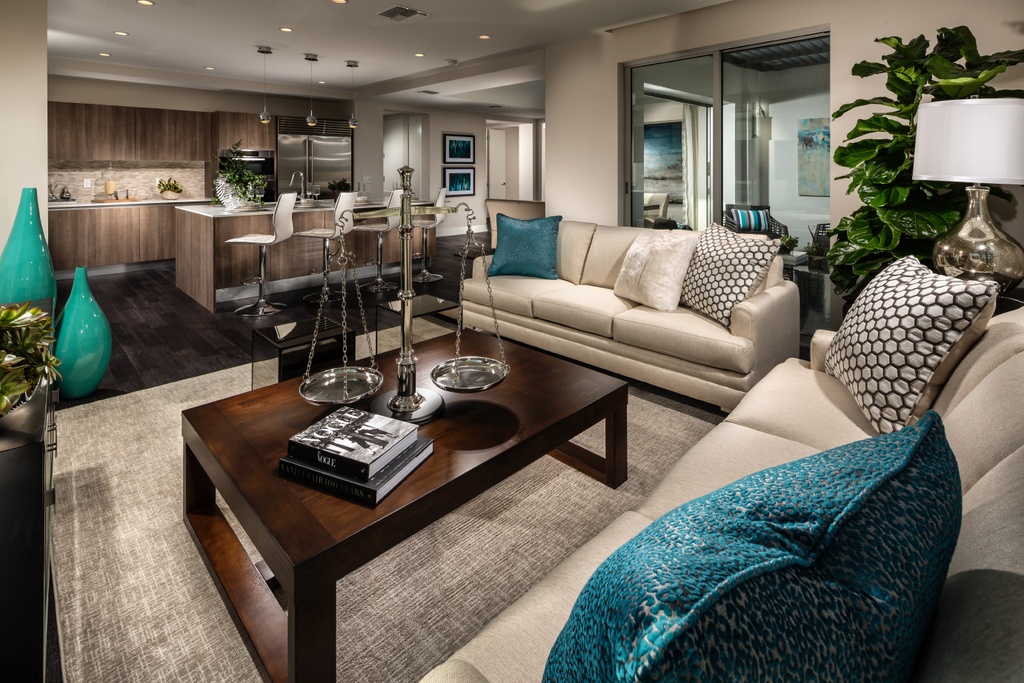
The transitional style is a popular and versatile design approach that is widely used in both residential and commercial spaces. As such, specializing in transitional style can be a great niche for an interior design firm. By focusing on this particular style, you can develop a strong expertise in it and offer tailored services to clients who are looking to update their space with a blend of traditional and modern elements. Overall, transitional style accessories are versatile and timeless, and they can work well in a variety of design styles and settings. This article delves into the defining characteristics of Transitional interior design, exploring how this style artfully merges different design eras to create spaces that are both comfortable and chic. From the subtlety of its color palette to the thoughtful integration of textures and patterns, Transitional design weaves a narrative that speaks to both tradition and modernity.
Ways to Add Transitional Interior Design Style to your Home
For instance, you may have suede against leather against wood against glass, all of which are within the same color family. If all were in a lovely shade of cream, they would be perfect in a transitional living room. Pops of color do come in, but more as decorative accents, like the pillows and art pieces below.
Combine Sleek and Rustic Materials
Take inspiration from mid-century modern room design styles to achieve a timeless design. What is the one element in a room that can add a little flair and drama? Cushions or throw pillows are a great way to add a little oomph to a plainly colored room – and the best part? You can change the covers from time to time to change the color scheme and design of the room. Don’t be afraid to overdo the cushions – choose different colors, patterns, and styles to brighten dull transitional interiors. Allow your furnishings and decor to take shape over time with elements you love.
Top Transitional Interior Design Must-Haves for the Perfect Home
But neutral needn't mean bland, transitional style is so much about the shapes and textures that it's usually the furniture and the decor that adds in all the interest and the depth. And go tonal with your palette, layer up neutrals like creams, beiges, soft grays, and even darker shades like browns and warmer charcoals if you want some contrast. Nothing is more modern than contemporary art – especially since your walls are painted in neutral tones.
“A traditional wallcovering paired with abstract art (or an abstract wallcovering paired with a traditional landscape) works well to achieve the transitional style,” she explains. Transitional colors are typically neutral colors that bridge the gap between warm and cool tones, creating a harmonious and balanced color palette. These colors are often used in transitional design to create a soothing atmosphere. Nashville-based interior designer Debbie Mathews likes to begin by finding a common thread in a room. “I first build the foundation of a room with timeless pieces—the sofas, club chairs, and drapes are often the most expensive pieces that don’t have an early expiration date,” she explains.
6 Ways to Add Glamorous Art Deco Interior Design to Your Home - Better Homes & Gardens
6 Ways to Add Glamorous Art Deco Interior Design to Your Home.
Posted: Mon, 20 Nov 2023 08:00:00 GMT [source]
Exquisite Area Rugs – Perfect for a Transitional Style Living Room
They were combining clean lines, large glass panels, and open-concept floor plans with traditional features like brick and plush carpeting. Today, the transitional style continues to evolve as the modern farmhouse aesthetic took hold, as well as Crafts revival. Transitional interior design stands out as an elegant blend of traditional and contemporary elements, forging a balance that epitomizes both comfort and sophistication.
But also add in plenty of contrasting shapes and styles
The item can be a dresser, mirror, table or anything that harks from a different era. Another way to draw attention to a new classic piece is through reupholstering, a layer of paint, or a coat of wax, to highlight the item’s features. Interiors can have visual appeal even without boldly patterned surfaces. Since harmony is vital in a transitional style living room, bedroom, or whichever room, opt for textured over printed wallpaper. This will allow more ornate details elsewhere, like an antique cabinet. Enjoy a similar charm to that of a Chesterfield couch in the bedroom with a tufted headboard.
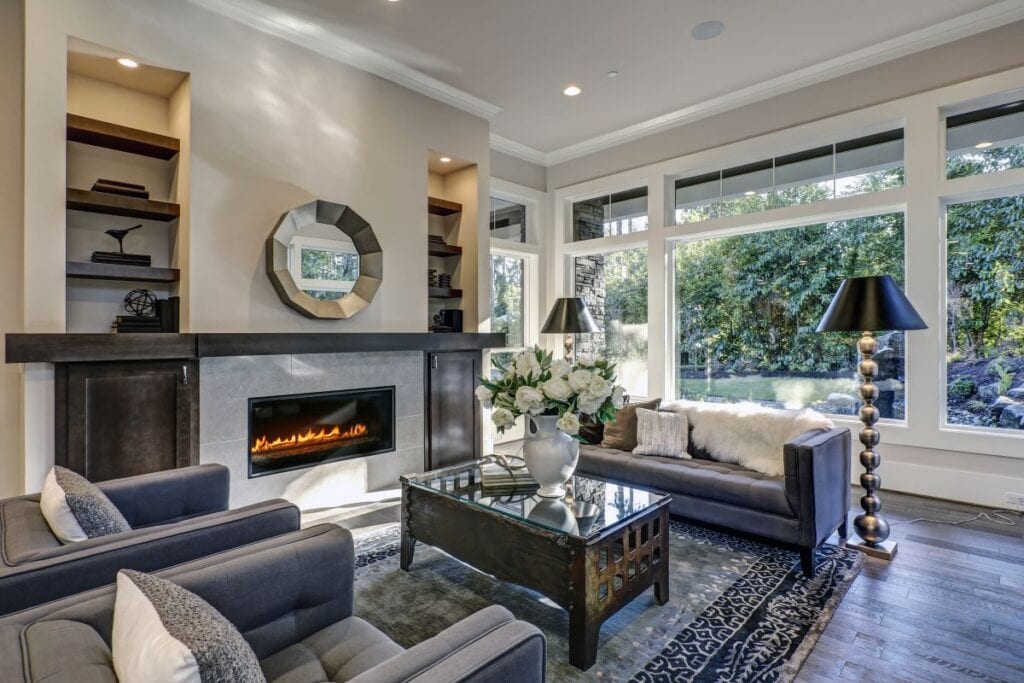
La based, but internationally recognized, the dynamic trio has carved out a niche for those who value artful and collected style with a signature sense of laid back luxury. While the overall palette is neutral, Transitional design allows for the strategic use of color in accents and art. A pop of color can add personality and focus to a room without disturbing the overall calm and cohesive look.
Functional Comfort
Look for sleek yet usable and relaxed pieces like a spacious armchair or upholstered bed frame, for example. Just like transitional bedrooms, a mix of period and modern decor will create a unique and timeless living space you’ll never get tired of. For British interior designer Matthew Williamson, a playful use of color is one of the most important elements of this considered mash up of old and new. Another way transitional design keeps differing pieces flowing harmoniously is by keeping color palettes simple. Oftentimes, transitional color palettes are mostly built of neutral tones, such as grays, tans, white, and brown.
We love how Victoria Hagan uses materials, refined color palettes, and pieces with striking silhouettes to create her transitional interiors. Her designs are grounded in a neutral color palette but touches of rich, bold color add personality and a modern touch. Intimate seating areas of traditional style sofas paired with unique accent chairs make for warm and welcoming spaces. As noted, transitional design is generally defined as an interior style that combines modern style with traditional design. “Transitional spaces are defined by a tonal, textural, monochromatic, and minimal aesthetic,” Feldman says.
Read on for tasteful tips on how to make this look come alive at home in 2024. Kate Guinness Design is an interior design and decoration studio based between its West London studio and Wiltshire, working on both residential and commercial projects. They specialise in creating interiors with an authentic sense of accumulation, combining antiques, fabrics, color and art. Like we said before, a transitional style home is all about a beautifully orchestrated, layered mix. Think whimsical chairs, mismatched prints, expressive art pieces varied in scale, cultural references, juxtaposed era’s and styles, and sculptural elements throughout. As you craft your transitional interior, don’t worry about striking a perfect 50/50 balance between contemporary and traditional.

With dozens of interior design styles in existence—and new ones entering the zeitgeist everyday—transitional design offers a reprieve among more boxed-in, hard-and-fast decor styles. Often described as a mix between a more traditional style and modern design, the aesthetic blends formal, more ornate elements with relaxed touches to create a space that feels both classic and current. “Transitional design is the palate cleanser of all design styles,” says Jenn Feldman, a Los Angeles–based interior designer and founder of Jenn Feldman Designs, a listee on the AD PRO Directory. The transitional interior design style is a blend of traditional and contemporary styles. It combines the classic elements of traditional design with the clean lines and simplicity of contemporary design. Transitional design is characterized by neutral color palettes, simple and clean lines, and a mix of textures and materials, emphasizing comfort and functionality.
The Best Interior Design Books - Vogue
The Best Interior Design Books.
Posted: Fri, 22 Sep 2023 07:00:00 GMT [source]
Soft, subtle colors may be added as accents, such as certain shades of blue or green. Monochromatic schemes are popular, as they keep the color choices simple and cohesive. Some top trends in interior design styles in 2021 were using lighting as a main element, using the kaleidoscope effect, using exterior cladding, and using elements of nature indoors. Create a contemporary design using clean lines, straight lines, minimal artwork, and modern elements.
But there are a few key indicators of the design style that will be present no matter the supporting elements. Alternatively, you might start with a traditional or transitional foundation, such as a classic sofa or armchair, and then add modern accents, like sleek lighting fixtures or abstract art. Textural elements, such as a plush area rug, decorative pillows, or textured wallpaper, add depth and dimension to a transitional space. The transitional design incorporates a mix of materials, such as wood, metal, glass, and stone, to create a balanced and visually interesting space. When you compare the two side by side, you’re certain to notice prominent similarities and differences between them. For the ultimate breakdown, we asked Décor Aid designers for their take on the two to help you better understand the core foundations of each while making a case for transitional vs traditional style.
The modern art piece and piece of metallic sculptural art add an eye catching element to this warm, welcoming family room. The rustic charm is enhanced with tactile paints and rustic-grade flooring while monochromatic, Scandi-style decor and eclectic Eastern treasures add a touch of modernity. For this room, its all about a substantial table that works as a foundation for what’s to come.


No comments:
Post a Comment